Angus Langworthy and Henry Savage
University of Technology Sydney (UTS)
Australia

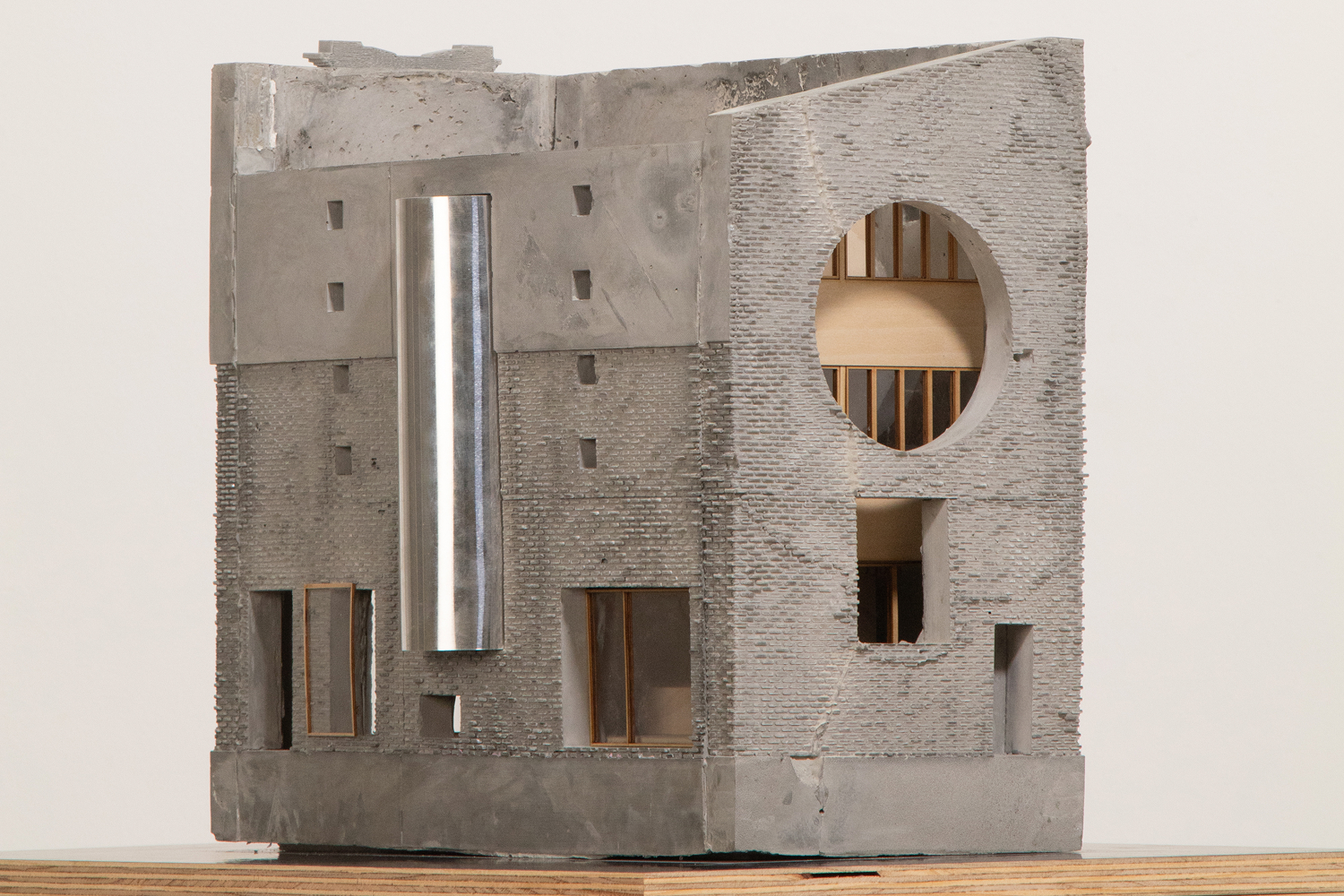
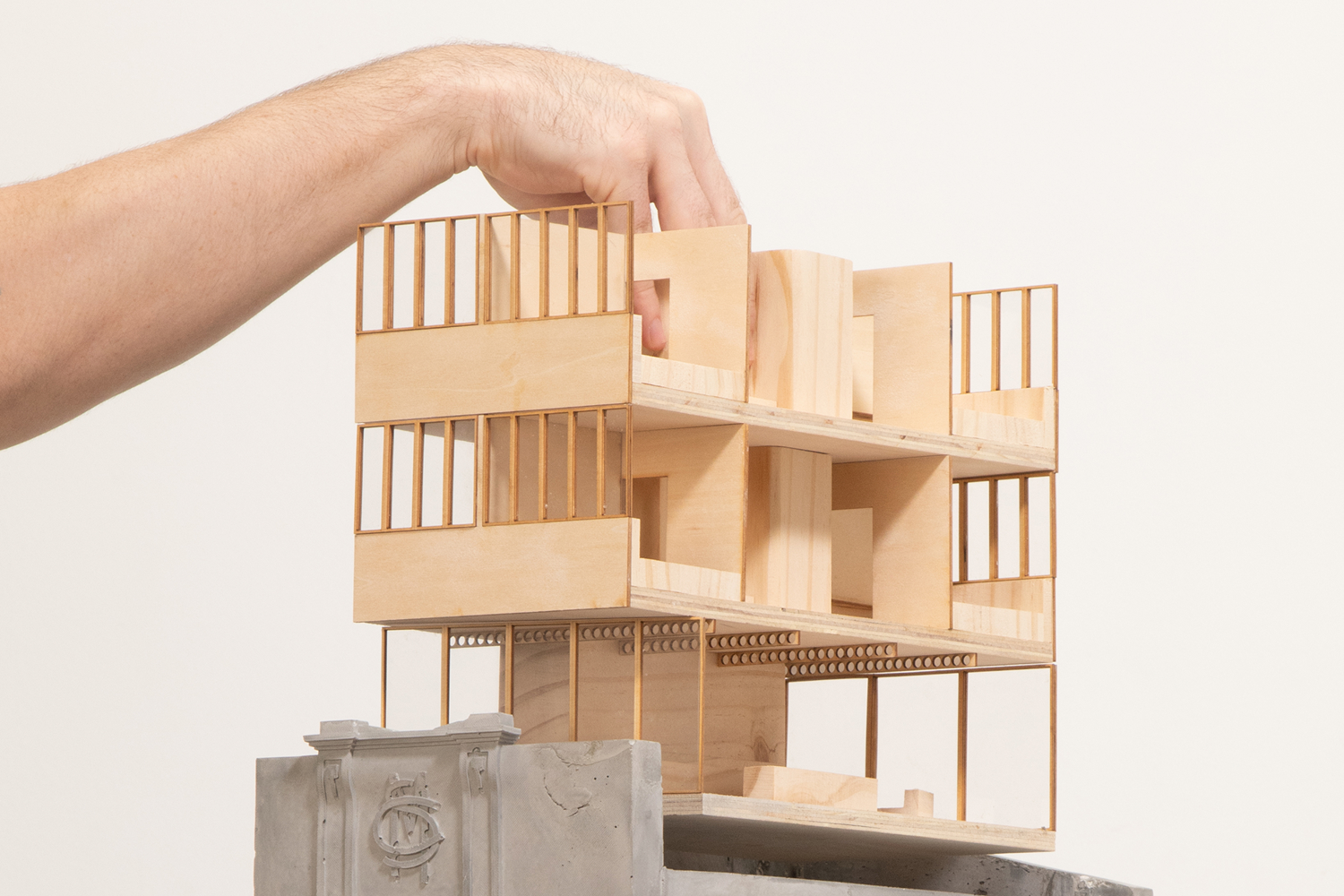
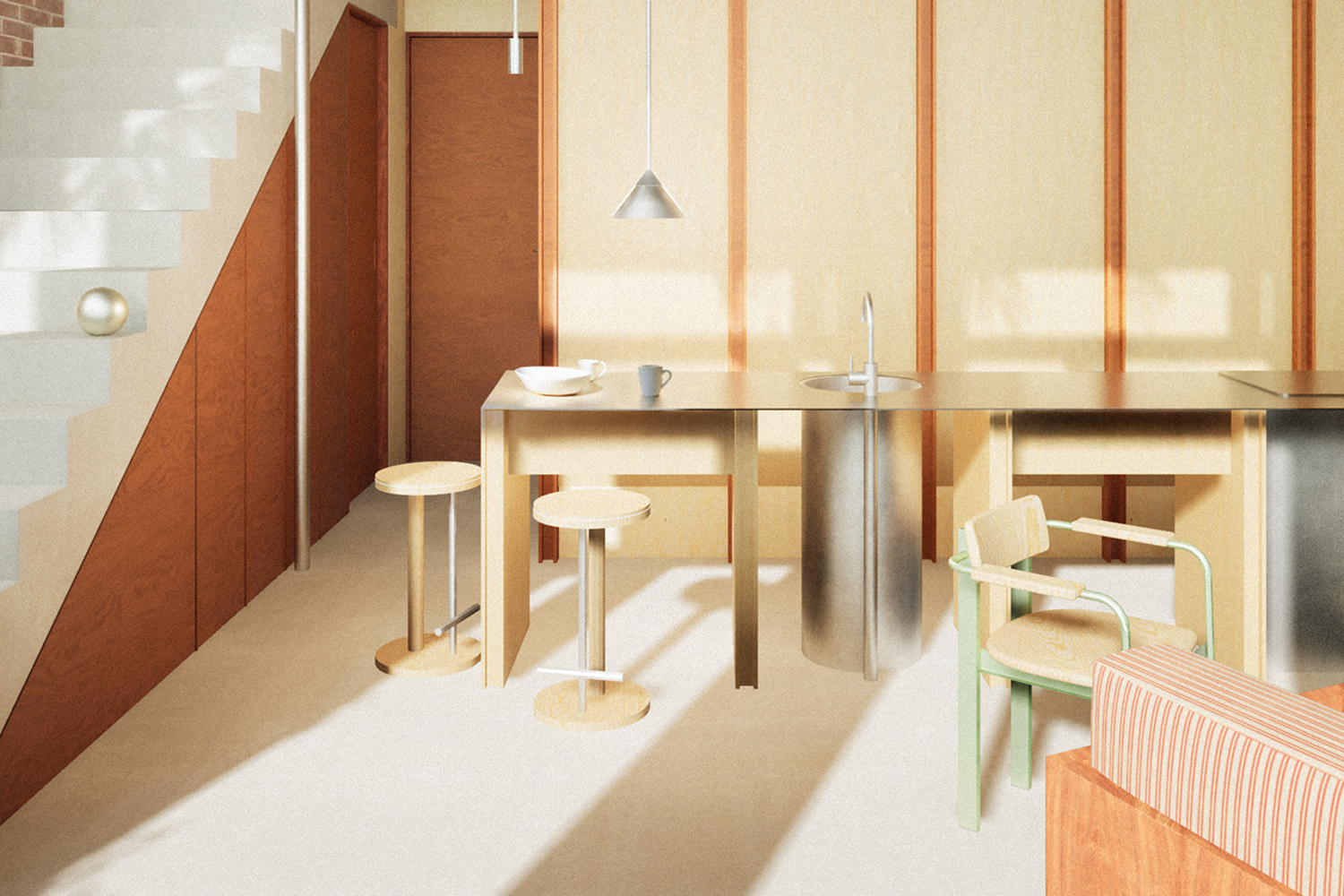
Local substations distributed power across Sydney throughout the 20th century, now anonymous, fenced and forgotten. Our proposal asks what happens when these decommissioned sites of industrial infrastructure are reframed as social infrastructure. Across inner-city Sydney, 632 substations were built throughout the early 20th century – enclosures that once transformed electricity for distribution. As power networks evolved, their role was replaced by compact pole-top and kiosk systems, leaving these small but resilient buildings redundant. Constrained by heritage protection, compact lot sizes, and residential zoning, private development strategies are unfeasible. These very constraints make them ideally suited to long-term affordable housing through adaptive reuse. Through minimal but effective intervention, the design maximises the potential of the existing structure, while ensuring adaptability for different household types.
Owned by Ausgrid, these assets would be operated through a long-term leasehold model, managed and developed by a Community Housing Provider, embedding genuine long-term affordability without the risk of private re-development.
Structured as an architectural design competition for emerging designers, the project establishes an equitable platform to reimagine these substations as social assets. Each substation becomes a prototype for low-carbon, community-oriented housing – forming a distributed network of small but essential domestic dwellings that redefine density, heritage and housing across the city.
